


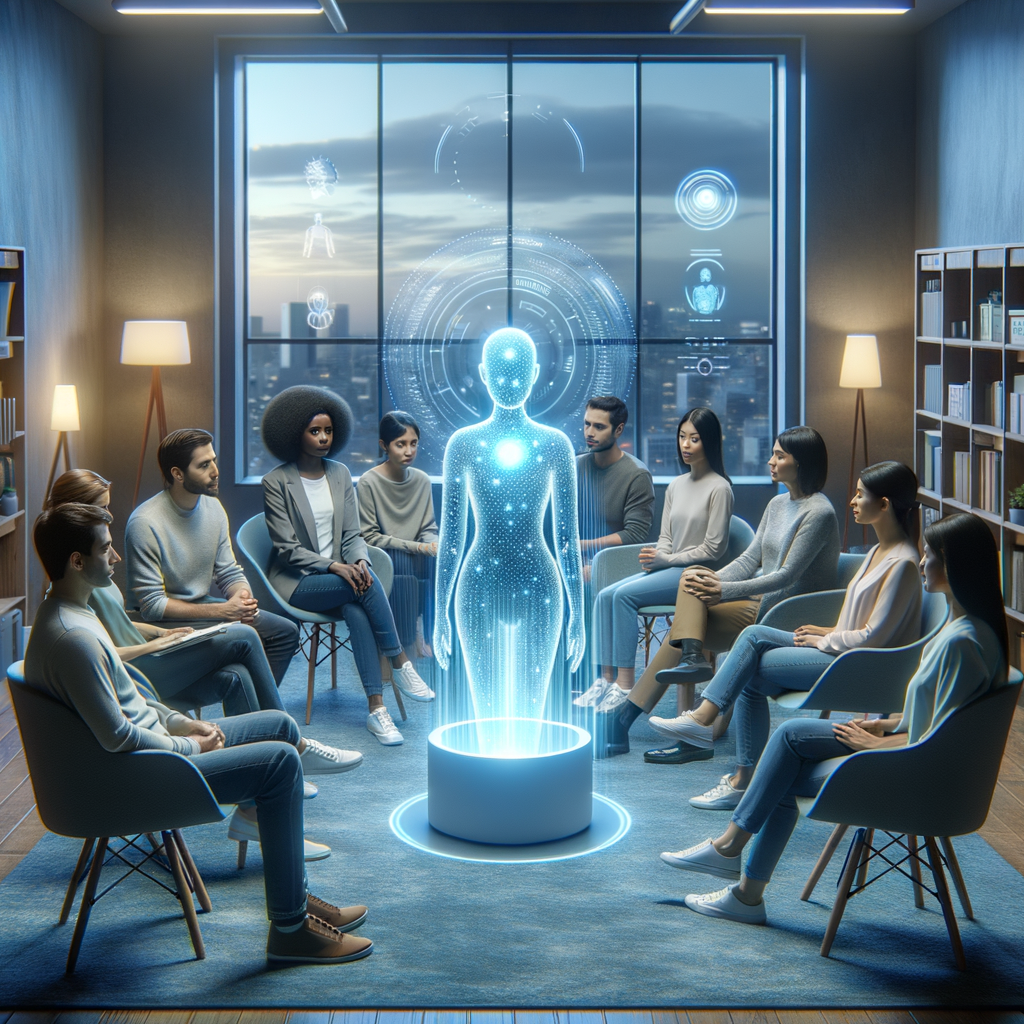
AI Therapy Not as a Replacement but to Augment Regular Therapy
AI therapy not as a replacement but to augment regular therapy is an idea gaining significant ground in the mental health landscape. As artificial intelligence continues to make insistent strides into medicine and psychology, the natural concern arises: can or should AI replace the human element of therapy? Rather than viewing AI as a substitute for traditional approaches, many experts now see it as a helpful tool, best used to supplement and enhance the effectiveness of regular therapy.
The Evolution of AI in Mental Health Support

Artificial intelligence has emerged as an invaluable resource in various healthcare domains, and mental health is no exception. AI-powered tools and chatbots are capable of providing support, psychoeducation, and even preliminary screening for anxiety, depression, and other conditions. These digital companions are available 24/7, offering a safe space for individuals to express their feelings and receive coping strategies, especially when human therapists are out of reach.
However, despite these promising advancements, there is broad consensus among mental health professionals that AI cannot fully replicate the empathy, nuanced understanding, and adaptive techniques of a trained therapist. This reinforces the notion that AI therapy should not serve as a replacement but a means to augment regular therapy.
How AI Augments Traditional Therapy
Enhancing Accessibility and Timeliness
One of the primary benefits of AI in mental healthcare is increased accessibility. Geographic limitations, therapy waitlists, and high costs can hinder access to traditional therapy. AI interventions help bridge that gap by providing immediate responses, basic guidance, and wellness tracking. For instance, someone experiencing a panic attack late at night may not have instant access to their therapist, but an AI-driven chatbot can offer breathing exercises or grounding techniques.
Data-Driven Insights and Personalization
AI can also collect and analyze data on mood, activity levels, and therapy adherence through apps and questionnaires. This data gives therapists a continuous picture of their client’s well-being beyond the therapy hour. With this deeper understanding, therapists can personalize treatment plans and identify potential issues early, boosting overall outcomes.
Supporting the Human Touch
Despite these benefits, the emotional intelligence and deep connection fostered in human-to-human therapy remain irreplaceable. Only a human therapist can interpret complex emotions, body language, and offer genuine empathy. However, AI can handle administrative tasks such as appointment scheduling, reminder systems, and session note-taking, enabling therapists to focus on their clients’ emotional needs and therapeutic alliance.
The Challenges and Ethical Considerations
As AI therapy and regular therapy become more intertwined, it is crucial to navigate privacy, security, and ethical use. Sensitive data must be securely stored, and individuals should be informed about how their information is used. Additionally, the limitations of AI—such as the inability to manage complex mental health crises or to make nuanced judgments—must be made clear to users to prevent misunderstanding or overreliance.
When AI Therapy Makes the Most Impact
- As a first-line support: People hesitant to seek therapy, or unsure if they need it, may feel more comfortable starting with anonymous AI-powered apps.
- Between sessions: Clients can practice skills, monitor mood, or seek brief support between appointments, enhancing continuity of care.
- For psychoeducation: AI can deliver educational content and mindfulness exercises, preparing clients for deeper work with their therapist.
- For underserved populations: Those in remote or under-resourced communities can access basic mental health support when therapists are scarce.
Conclusion: AI and Human Therapists, Working Together
The future of mental health care will likely rest on a collaborative model where AI therapy augments regular therapy, not replaces it. This partnership leverages the strengths of both machines and humans—maximizing accessibility, providing around-the-clock support, and allowing therapists to focus on what they do best: building trust, understanding emotions, and guiding personal growth.
AI is a powerful ally, not a substitute. When thoughtfully integrated, it can empower individuals and mental health professionals alike, bringing us closer to a world where quality mental health care is accessible to all.